Heart
Three-lead ECG at 250 Hz, with heart rate and HRV.

Astroskin and Hexoskin for Space & Aerospace
Spaceflight, flight decks, and analog missions put people in unfamiliar conditions. Astroskin records heart, breathing, oxygen saturation, skin temperature, and movement in one garment, so research teams can follow every phase of the mission.
Astroskin has been used aboard the International Space Station since 2018, and its three-lead ECG is validated at 97% accuracy. Hexoskin records ECG, breathing, and movement for ground studies.
Three-lead ECG at 250 Hz, with heart rate and HRV.
Two textile bands for breathing rate, tidal volume, and minute ventilation.
PPG, SpO₂, skin temperature, and a systolic blood-pressure estimate.
Three-axis acceleration for activity and body position.
Preparation, task execution, sleep, and recovery each place different demands on the body. Astroskin brings several physiological signals together in a single garment and headband, which keeps setup short for crews with little time, and Hexoskin brings the same software and data workflow to ground studies and larger groups. The synchronized record lines up with mission events and environmental data.
Space and aerospace research covers three settings with one data workflow: spaceflight and its ground studies, flight decks and cockpit tasks, and analog and extreme environments. Each page shows the setup and the evidence for that setting.
Follow crew physiology through spaceflight and ground studies.
Explore SpaceflightRecord breathing and cardiac data alongside flight tasks and cockpit conditions.
Explore Aviation ResearchStudy people in analog and extreme environments with a field-ready setup.
Explore Analog ResearchAstroskin carries the full signal set for flight and space research. Hexoskin brings the same workflow to ground studies and larger groups.


A wearable system with three-lead ECG, dual-band respiration, PPG and oxygen saturation, skin temperature, and movement, for programs that need this wider combination of signals.
Explore Astroskin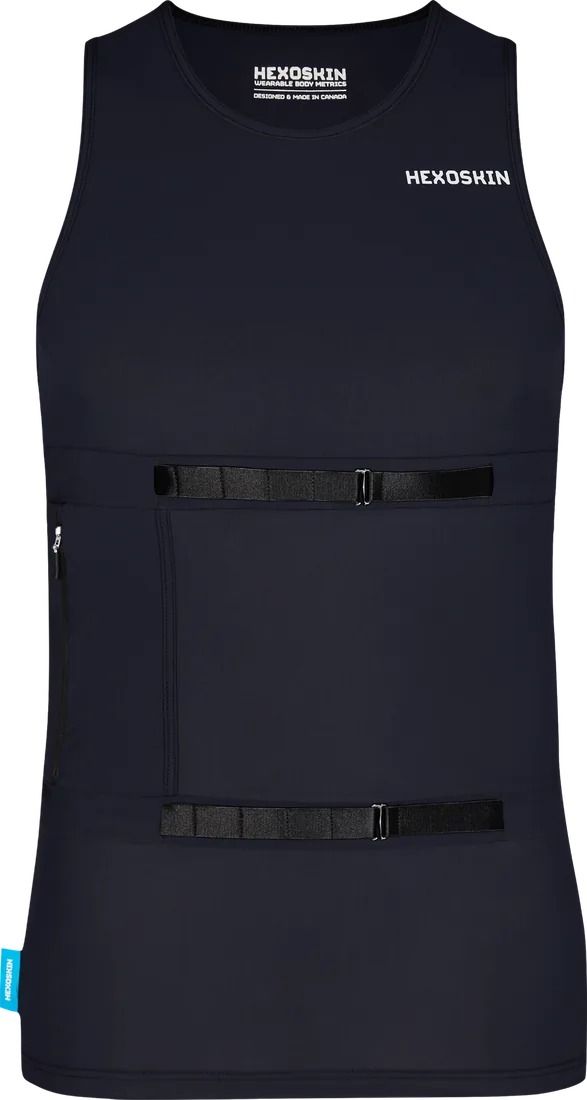
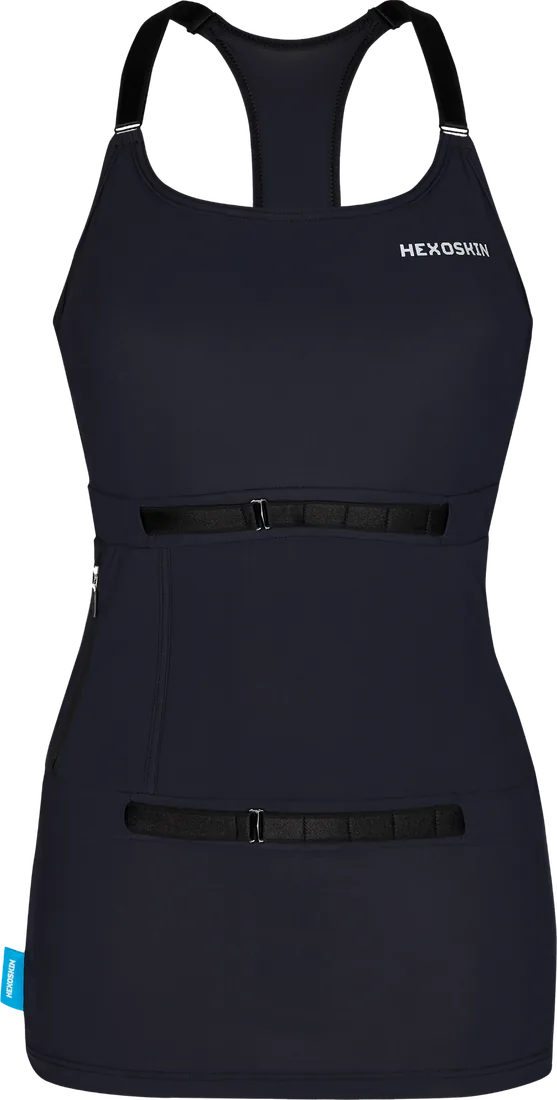
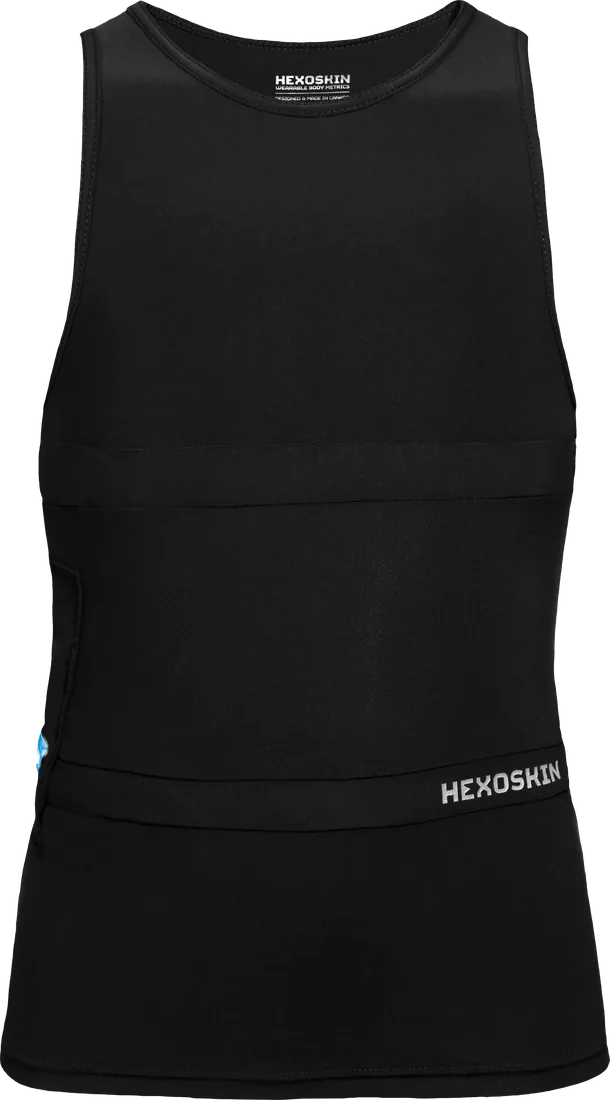
Smart clothing for cardiac, respiratory, and movement recording, in men’s, women’s, and junior garments. Choose Hexoskin when single-lead ECG, dual-band respiration, and activity cover the application.
Explore HexoskinHeart rate, breathing rate, and activity live in Hexoskin OneApp, or streamed to your own Android application with Hexoskin OneSDK.
Explore Hexoskin OneAppFull sessions, annotations, and metrics for every participant in Hexoskin OneView, with exports for your analysis.
Explore the SoftwareThe ECG, breathing, and acceleration waveforms behind every value, with Hexoskin OneAPI access for your own tools.
Explore the Raw SignalsAstroskin documentation and published aviation and spaceflight studies show how each platform has been used.
Eight flight trainees wore Hexoskin on a cockpit test platform under three ventilation schemes, and several heart rate variability indexes differed between schemes.
Read the SourceThe Astroskin research system, with three-lead ECG, dual-band respiration, acceleration, optical PPG, oxygen saturation, and skin temperature.
Read the SourceAbstract · The FASEB Journal · 2021. Astronauts wore the Canadian Space Agency Bio-Monitor shirt, an Astroskin system, before launch and aboard the International Space Station. The abstract reports recording coverage, activity, and heart rate in both settings.
Read the SourceHealthy adults aged 55 to 65 wore Hexoskin during cycle tests around head-down bed rest, a ground analog for spaceflight deconditioning. Heart rate variability during exercise was compared with ventilatory thresholds.
Read the SourceTell us about the mission, the environment, and the signals you need. We can recommend the configuration, data access, and support.